India China Pharma Deals: How They Could Reshape India’s API Economics
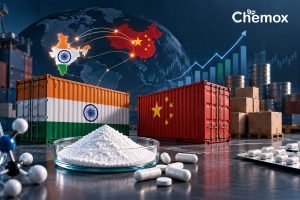
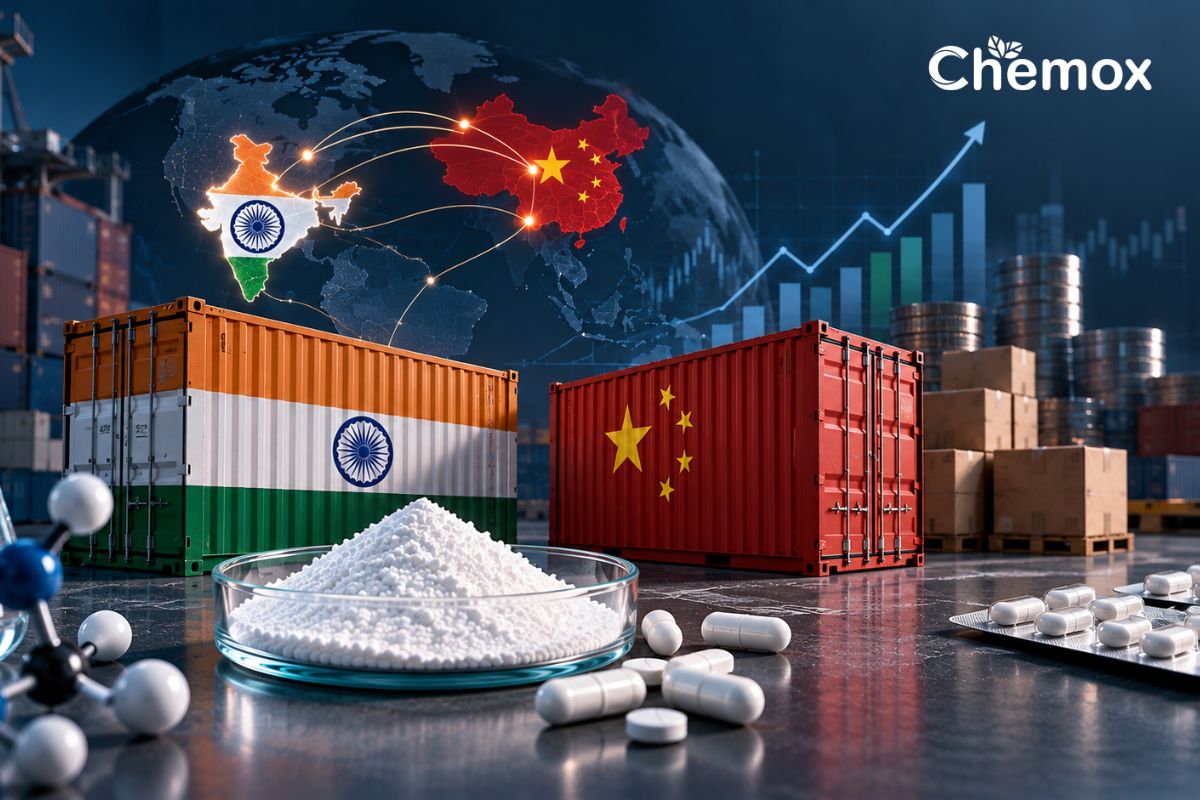
India’s pharmaceutical relationship with China in 2026 is playing out on two very different fronts at once and buyers sourcing API from India should understand both. On one side, Indian pharmaceutical companies are increasingly partnering with Chinese drugmakers to license innovative oncology and specialty therapies, gaining faster access to advanced treatment pipelines. On the other, Chinese bulk API producers have been cutting prices on targeted commodity molecules in ways that directly pressure India’s own domestic manufacturing expansion. Both dynamics are reshaping India China pharma deals and API economics in ways that matter for how and where buyers source.
The Collaboration Side: Licensing Deals for Innovative Therapies
Indian pharmaceutical companies are entering a new phase of global integration through partnerships with Chinese drugmakers, particularly around oncology and specialty medicines. These collaborations give Indian companies access to scale, speed, and innovation pipelines that can lower treatment costs and accelerate availability of advanced therapies — reflecting China’s broader shift from a generic-manufacturing reputation toward developing genuinely innovative, first-in-class and best-in-class therapies that global players are increasingly licensing.
This side of the relationship is mostly about finished, innovative drug products rather than bulk API supply but it signals a broader normalization of India-China pharmaceutical collaboration that’s worth watching as it develops.
The Competition Side: Bulk API Pricing Pressure
This is the piece more directly relevant to API buyers and manufacturers. As India has moved to disburse Production Linked Incentive (PLI) funding aimed at expanding domestic bulk drug manufacturing capacity, Chinese API producers have responded by cutting prices on specific targeted molecules pricing that can make new Indian facilities economically unviable before they reach commercial scale. This isn’t a hypothetical dynamic; it’s an active pattern shaping which parts of India’s API ambitions succeed and which struggle to gain a foothold.
India currently supplies an estimated one-fifth of global API volume, with government programs targeting a meaningful increase in domestic capacity over the next few years. However, industry analysis suggests this pressure isn’t evenly distributed across all API categories:
- Low-margin, high-volume bulk chemicals — commodity APIs like acetylsalicylic acid or ibuprofen — face the most direct exposure to Chinese price competition, since these are exactly the molecules where China’s scale advantage is hardest to overcome.
- High-value, complex, or specialty APIs — including oncology intermediates and other technically demanding molecules — are comparatively less affected, since Chinese manufacturers’ competitive advantage in these categories relies more on process chemistry sophistication and skilled labor than on raw price alone, narrowing the gap a simple pricing strategy can exploit.
What This Means for API Sourcing Decisions
This bifurcation has a practical implication for buyers: an Indian manufacturer competing purely on commodity, high-volume bulk chemicals is more exposed to price volatility driven by Chinese competitive responses. A manufacturer focused on specialty, technically complex, or niche APIs and intermediates where quality, documentation depth, and process capability matter more than raw scale is generally in a more insulated, differentiated position.
For buyers, this is a useful lens when evaluating long-term supply relationships: a supplier whose business model depends on out-competing China purely on commodity pricing carries different risk than one built around specialty capability that doesn’t face the same direct pricing pressure.
Where This Leaves India’s API Economics Going Forward
The net effect is a more segmented Indian API industry than a simple “growing market share” narrative suggests. Commodity bulk chemical production faces real, ongoing pressure from Chinese pricing strategy tied to undermining India’s own incentive-driven capacity expansion. Specialty and complex API manufacturing — the segment less exposed to this dynamic is where much of India’s more durable competitive positioning is likely to develop over the coming years.
Chemox Pharma’s Position in This Landscape
Chemox Pharma has built its manufacturing focus around specialty and niche APIs and intermediates including urology, cardiovascular, and rheumatology categories, along with backward-integrated sartan-chain intermediates rather than high-volume commodity bulk chemicals. This positioning reflects exactly the segment of the market less directly exposed to the commodity pricing pressure discussed above, and our WHO-GMP certified facility in Dahej, Gujarat is built to support the documentation and quality depth that differentiates this category of API supply.
Request a Quote or Discuss Your Sourcing Strategy
If you’re reassessing your API sourcing strategy given these shifting dynamics, get in touch with Chemox Pharma to discuss your specific requirements.
FAQs
Q: Are India and China pharmaceutical companies collaborating or competing in 2026?
Both, on different fronts. Indian companies are increasingly licensing innovative oncology and specialty therapies from Chinese drugmakers, while Chinese bulk API producers are simultaneously pricing competitively against India’s own domestic bulk manufacturing expansion.
Q: Why are Chinese API producers cutting prices on specific molecules?
Industry analysis suggests this pricing pressure is linked to undermining the commercial viability of new Indian bulk drug facilities being built with Production Linked Incentive (PLI) government support, particularly for high-volume commodity chemicals.
Q: Which types of APIs are most exposed to this pricing competition?
Low-margin, high-volume commodity bulk chemicals face the most direct exposure. Specialty, complex, and niche APIs are comparatively more insulated, since competitive advantage there depends more on process capability and documentation than on raw price alone.
Q: Does this affect Chemox Pharma’s manufacturing focus?
Chemox Pharma’s focus on specialty and niche APIs and intermediates, rather than high-volume commodity chemicals, positions it in the segment of the market less directly exposed to this specific competitive dynamic.