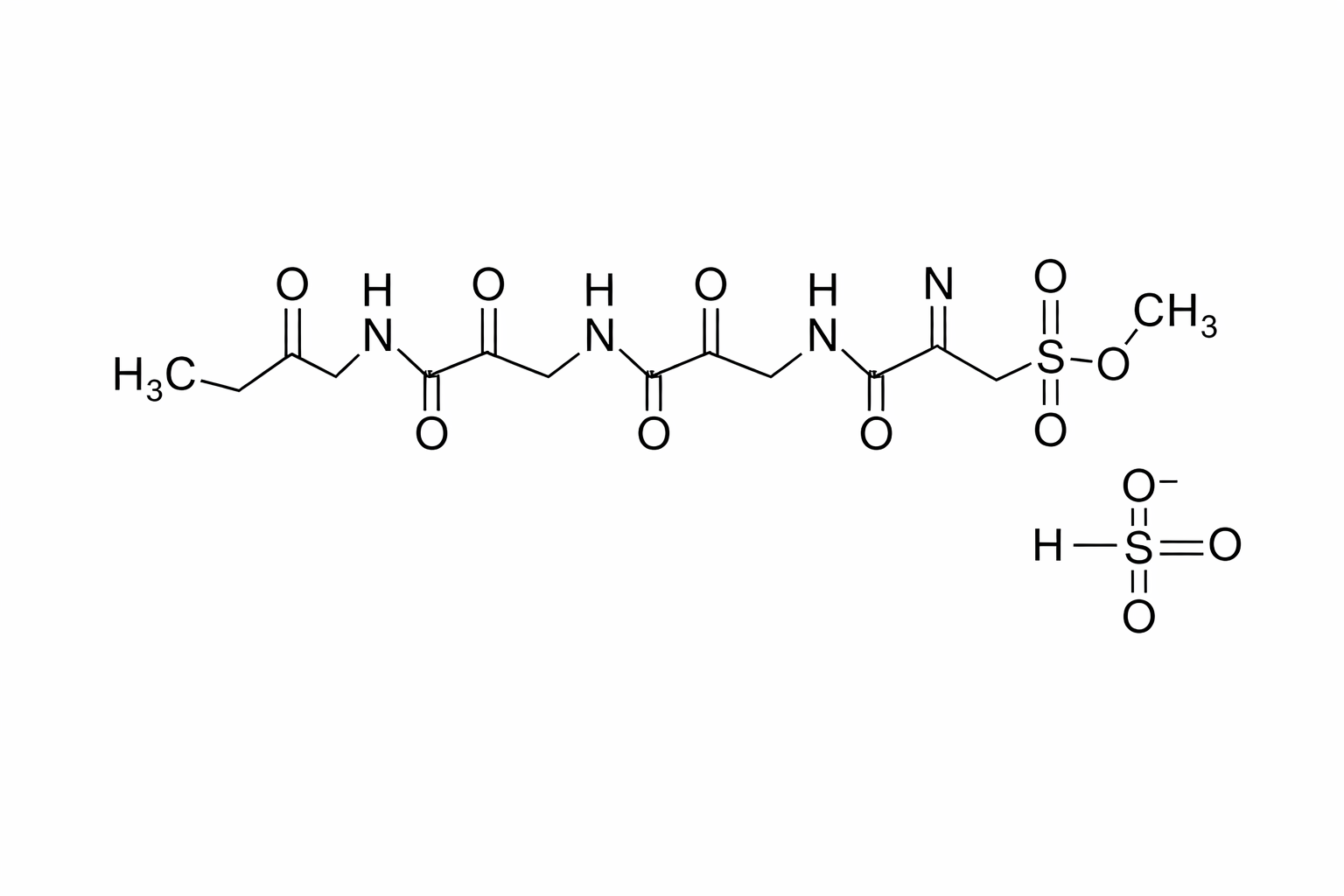
Deferoxamine Mesylate

CPPL / Product / Deferoxamine Mesylate

Deferoxamine Mesylate

Deferoxamine Mesylate

Chemox Pharma is a leading and a top Deferoxamine Mesylate manufacturer in India, supplying high-quality pharmaceutical-grade APIs to global markets. Deferoxamine Mesylate is a potent iron-chelating agent widely used in the treatment of acute iron poisoning and chronic iron overload disorders.

The drug works by binding excess iron present in the bloodstream and tissues, forming a stable complex known as ferrioxamine. This complex is safely eliminated from the body through urine and bile, helping reduce toxic iron levels.

Deferoxamine Mesylate is commonly prescribed for patients who undergo frequent blood transfusions, such as those suffering from Thalassemia, Sickle Cell Disease, or Myelodysplastic Syndrome. By removing excess iron, the medication helps prevent long-term organ damage, particularly to the heart, liver, and endocrine system.

Depending on the patient’s condition and treatment requirements, Deferoxamine Mesylate is typically administered through intravenous (IV), intramuscular (IM), or subcutaneous (SC) injection under medical supervision.
Description:

Deferoxamine Mesylate is an iron-chelating agent used to treat acute iron poisoning and chronic iron overload disorders. It works by binding excess iron in the bloodstream and tissues to form a stable complex called ferrioxamine, which is eliminated from the body through urine and bile. The drug is commonly administered via intravenous, intramuscular, or subcutaneous injection and is widely used in patients receiving repeated blood transfusions, such as those with Thalassemia and Sickle Cell Disease.

Applications

Application Area Condition / Indication Purpose of Use Typical Patient Group
Acute Iron Poisoning Treatment Severe iron overdose Acts as an antidote by binding excess iron and removing it from the body through urine Children or adults who ingest toxic amounts of iron supplements
Chronic Iron Overload Therapy Transfusional hemosiderosis Reduces iron accumulation caused by repeated blood transfusions Patients with thalassemia, sickle cell disease, or chronic anemia
Aluminum Toxicity Management Aluminum accumulation in dialysis patients Chelates excess aluminum and enhances elimination from the body Patients undergoing long-term hemodialysis
Iron Overload Prevention Secondary hemochromatosis Prevents organ damage due to excess iron deposition Patients receiving frequent blood transfusions
Diagnostic Testing Deferoxamine challenge test Used to detect aluminum overload by measuring urinary aluminum after administration Dialysis patients suspected of aluminum toxicity

Product Specifications

Deferoxamine Mesylate is used under controlled medical supervision due to its strong chelating properties.

Key safety mechanisms include:

  • Selective iron binding: It preferentially binds free ferric iron (Fe³⁺) without significantly affecting iron bound to hemoglobin.

  • Rapid elimination: The iron-drug complex (ferrioxamine) is excreted via urine and bile, reducing systemic toxicity.

  • Dose monitoring: Therapy is carefully monitored using serum ferritin levels and iron studies.

  • Organ protection: Prevents long-term iron accumulation that can damage heart, liver, pancreas, and endocrine glands.

  • Controlled administration: Often delivered through slow infusion pumps to minimize adverse reactions.

Mechanism of Actions

Deferoxamine Mesylate acts by chelating ferric iron (Fe³⁺) from circulating iron pools and tissue deposits.

Step-by-step mechanism:

  1. The drug binds free ferric iron in plasma and tissues.

  2. It forms a stable iron-deferoxamine complex called ferrioxamine.

  3. This complex is water-soluble.

  4. Ferrioxamine is eliminated through renal excretion (urine) and partially through bile.

  5. As iron is removed, serum ferritin levels decrease, preventing iron-induced oxidative damage.

This process reduces the formation of free radicals that cause tissue injury.

FAQs

1. What is Deferoxamine Mesylate used for?

It is mainly used to treat iron overload and acute iron poisoning by removing excess iron from the body.

2. How is Deferoxamine administered?

It can be given intravenously, intramuscularly, or subcutaneously, depending on the clinical situation.

3. What are the Deferoxamine Mesylate side effects?

Possible side effects include: Injection site reactions ,Hypotension (during rapid infusion) , Visual or hearing disturbances (rare) & Allergic reactions

4. How long does the treatment last?

Treatment duration depends on the severity of iron overload and may range from acute emergency therapy to long-term management in transfusion-dependent patients.

5. Can Deferoxamine remove iron from hemoglobin?

No. It mainly binds free iron and stored iron, not iron that is tightly bound within hemoglobin molecules.

6. Is monitoring required during therapy?

Yes. Physicians regularly monitor: Serum ferritin levels, Kidney function , Vision and hearing during long-term therapy.

Related Products

EMTRICITABINE
API

EMTRICITABINE

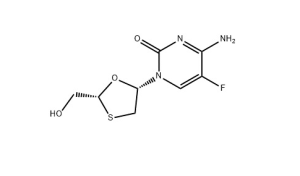
Chemical name: 4-Amino-5-fluoro-1-[(2R,5S)-2-hydroxymethyl)-1,3-oxathiolan-5-yl]-2-(1H-pyrimidinone) Cas number: 143491-57-0 Molecular formula: C8H10FN3O3S Molecular weight: 247.24 Therapeutic uses: Nucleoside transcriptase inhibitor Specifications: IP/BP/USP Appearance: White to

Know More »
DORZOLAMIDE
API

DORZOLAMIDE

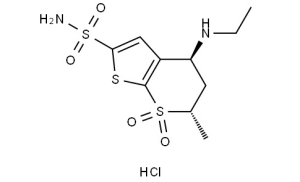
Chemical name: (4S,6S)-4-(Ethyl amino)-5,6-dihydro-6-methyl-4H-thieno[2,3-b] thiopyran-2-sulfonamide 7,7-Dioxide Hydrochloride Cas number: 130693-82-2 Molecular formula: C10H16N2O4S3·HCl Molecular weight: 360.89 Therapeutic uses: Topical beta blockers Specifications:

Know More »
TIGECYCLINE
API

TIGECYCLINE

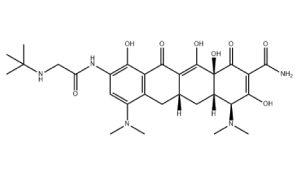
Chemical name: 9-tert-Butylglycylamidominocycline (4S,4aS,5aR,12aS)-9-(2-(tert-Butyl amino) acetamido)-4,7-bis(dimethylamino)-3,10,12,12a-tetrahydroxy-1,11-dioxo-1,4,4a,5,5a,6,11,12a-octahydrotetracene-2-carboxamide Cas number: 220620-09-7 Molecular formula: C29H39N5O8 Molecular weight: 585.66 Therapeutic uses: Antibiotic, Antibacterial Specifications: IP/BP/USP Appearance:

Know More »