
What is Pharmaceutical Contract Manufacturing?
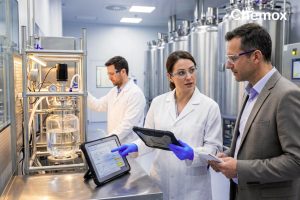
The pharmaceutical industry is currently undergoing a period of rapid transformation, driven by the need for faster drug development, cost-effective production, and specialized manufacturing capabilities. As we move through 2026, the traditional model of in-house manufacturing is increasingly being replaced by a more collaborative and efficient approach: pharmaceutical contract manufacturing. This strategic model allows pharmaceutical companies to outsource part or all of their drug production activities to specialized third-party manufacturers, enabling them to focus on their core competencies of research, development, and marketing.
At its core, pharmaceutical contract manufacturing is a business arrangement where a pharmaceutical company (the “sponsor”) hires a specialized organization (the “contractor”) to manufacture its products. This relationship is built on a foundation of trust, quality, and shared goals, with the contractor providing the necessary facilities, equipment, and expertise to produce high-quality medications that meet stringent regulatory standards. This model is not just about cost savings; it is a fundamental shift in how the global healthcare industry operates, providing the flexibility and scalability required to meet the growing needs of patients worldwide.
Understanding the Strategic Value of Contract Manufacturing
To appreciate the role of contract manufacturing, one must first understand the complexity of modern drug production. Manufacturing a pharmaceutical product is a highly regulated and resource-intensive process, requiring specialized facilities, advanced technology, and a deep understanding of chemical and biological processes. For many pharmaceutical companies, especially smaller startups and mid-sized firms, the capital expenditure (CAPEX) required to build and maintain their own manufacturing facilities can be a significant barrier to entry.
Contract manufacturing organizations (CMOs) and contract development and manufacturing organizations (CDMOs) provide a solution to this challenge. By leveraging the existing infrastructure and expertise of these specialized partners, pharmaceutical companies can significantly reduce their upfront costs and accelerate their time-to-market. This strategic approach allows them to allocate their resources more effectively, focusing on the high-value activities of drug discovery and clinical development, while their contract manufacturing partner handles the complexities of production and scale-up.
|
Feature
|
In-House Manufacturing
|
Contract Manufacturing
|
|
Capital Expenditure (CAPEX)
|
High (Building and maintaining facilities)
|
Low (Leveraging existing infrastructure)
|
|
Operational Flexibility
|
Low (Fixed capacity and resources)
|
High (Scalable production volumes)
|
|
Technical Expertise
|
Limited to internal capabilities
|
Access to specialized knowledge and technology
|
|
Speed to Market
|
Slower (Due to facility setup and validation)
|
Faster (Utilizing established processes)
|
|
Regulatory Compliance
|
Internal responsibility
|
Shared responsibility with the contractor
|
CMO vs. CDMO: Understanding the Difference
While the terms “CMO” and “CDMO” are often used interchangeably, there is a significant difference between the two models. A Contract Manufacturing Organization (CMO) primarily focuses on the pure manufacturing and scale-up of a pharmaceutical product. They receive the final formulation and manufacturing process from the sponsor and produce the medication according to those specifications. This model is ideal for established products with well-defined manufacturing processes.
On the other hand, a Contract Development and Manufacturing Organization (CDMO) offers a more comprehensive range of services, including research and development (R&D), formulation development, analytical testing, and clinical trial material production, in addition to commercial-scale manufacturing. The CDMO model is increasingly becoming the preferred choice for pharmaceutical companies, as it provides a “one-stop-shop” solution for the entire drug development lifecycle. By partnering with a CDMO, pharmaceutical companies can benefit from a seamless transition from the laboratory to the manufacturing floor, reducing the risks and delays associated with transferring technology between multiple partners.
Key Benefits for Pharmaceutical Companies
The benefits of pharmaceutical contract manufacturing are manifold, extending far beyond simple cost savings. One of the most significant advantages is access to specialized expertise and technology. Contract manufacturers often have decades of experience in handling complex chemical reactions, niche dosage forms, and advanced manufacturing technologies like flow chemistry and biocatalysis. This expertise is invaluable for developing and producing innovative medications that require specialized handling and processing.
Scalability and flexibility are also critical benefits of the contract manufacturing model. In a dynamic market where demand can fluctuate rapidly, the ability to quickly adjust production volumes is a significant competitive advantage. Contract manufacturers can easily scale their operations up or down based on the sponsor’s needs, ensuring that patients have access to the medications they need without the burden of maintaining excess manufacturing capacity.
Furthermore, contract manufacturing can significantly accelerate the timeline from drug development to commercial launch. By utilizing the established processes and validated facilities of their contract manufacturing partner, pharmaceutical companies can avoid the lengthy delays associated with building and validating their own manufacturing plants. This speed to market is particularly crucial for life-saving medications and for maintaining a competitive edge in the global pharmaceutical landscape.
Why India is a Preferred Destination for Contract Manufacturing
India has long been recognized as a global hub for pharmaceutical manufacturing, earning the reputation of the “Pharmacy of the World.” The country’s strength in the contract manufacturing sector is driven by a unique combination of technical expertise, large-scale manufacturing infrastructure, and a favorable regulatory environment. Regions like Dahej in Gujarat have become global epicenters for chemical and pharmaceutical manufacturing, hosting state-of-the-art facilities that adhere to the latest WHO-GMP and international regulatory standards.
The Indian contract manufacturing sector has evolved from producing simple generics to handling some of the most complex chemistry and biological processes in the world. This evolution is driven by a highly skilled workforce of chemists, engineers, and quality control professionals who are adept at process optimization and scale-up. Moreover, the Indian government’s support through initiatives like the Production Linked Incentive (PLI) scheme has further bolstered the domestic production of APIs and intermediates, enhancing the resilience of the global pharmaceutical supply chain.
For global pharmaceutical companies, partnering with an Indian contract manufacturer offers a significant cost advantage without compromising on quality. The ability to access a vast range of manufacturing capabilities from a single region simplifies logistics and procurement, while the rigorous quality control measures implemented by top-tier Indian firms ensure compliance with international standards like the USFDA, EDQM, and PMDA.
Selecting the Right Partner: A Strategic Decision
Choosing the right contract manufacturing partner is a critical business decision that can significantly impact the success of a pharmaceutical product. A successful partnership is built on a foundation of transparency, communication, and shared goals. When evaluating potential partners, pharmaceutical companies should consider several key factors, including the contractor’s regulatory track record, technical capabilities, and facility standards.
It is also essential to assess the contractor’s commitment to quality and compliance. A reliable partner should have a robust quality management system in place, with a proven track record of successful regulatory inspections and audits. Furthermore, the contractor should have a strong focus on intellectual property (IP) protection and confidentiality, ensuring that the sponsor’s proprietary information is handled with the utmost care and security.
Future Trends in 2026 and Beyond
As we look toward the future, several trends are set to further elevate the role of pharmaceutical contract manufacturing. The integration of digitalization and “Smart Factories” is allowing contract manufacturers to improve their efficiency, reduce waste, and enhance the quality of their products. This digital transformation is enabling real-time monitoring of manufacturing processes, providing greater transparency and control for both the sponsor and the contractor.
Sustainability is also becoming a non-negotiable requirement in the contract manufacturing sector. The next generation of pharmaceutical products will be produced using more environmentally friendly processes, including green chemistry, renewable energy, and waste reduction initiatives. Contract manufacturers who prioritize sustainability will be better positioned to meet the growing demands of environmentally conscious consumers and regulatory authorities.
Finally, the rise of specialized manufacturing for biologics, cell and gene therapies, and personalized medicine is driving demand for more advanced and flexible contract manufacturing solutions. This shift requires contract manufacturers to be more agile and innovative, investing in new technologies and expertise to meet the unique needs of these complex and life-changing medications.
Conclusion: A Partnership for Success
In the high-stakes world of pharmaceutical development and production, contract manufacturing is a strategic model that provides the efficiency, scalability, and expertise required to succeed. By partnering with a specialized contract manufacturing organization, pharmaceutical companies can navigate the challenges of modern drug production, reduce their costs, and accelerate their time-to-market.