
Purity is the most critical factor in the pharma industry. The regulatory compliance for any medicine or drug focuses largely on the impurity profile. The impurities in pharmaceuticals affect the efficacy and approval of the product for commercial use.
But what does ‘impurity’ mean in the pharma industry? Let’s understand the types and causes of the impurities in pharma products. Read till the end to know how we manage the impurity profile in pharma products.
What Are Impurities In Pharmaceuticals?
The pharma products are developed through controlled reactions. During the reaction, some unwanted components are developed that affect the efficacy of the drug. These impurities can make the drug toxic. There are various causes of drug impurity that we will discuss in this blog.
Every pharma product has some level of impurities in it. However, due to the critical use of drugs, the regulatory bodies have impurity guidelines for pharma companies. When the pharma producer focuses on identifying the impurities and takes necessary precautions, the final product is safe, effective, and compliant with the regulatory standards throughout its lifecycle.
What Are The Types Of Impurities In Pharmaceuticals?
There are 3 pharmaceutical impurities types that affect the quality and effect of the drug.
Organic Impurities
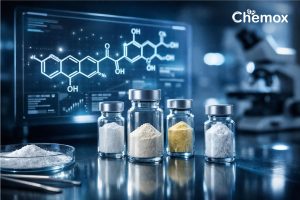
Organic impurities are chemical compounds developed during the multiple-stage synthesis of drugs or API. The organic impurities are the most harmful ones as they directly affect the efficacy of the final product and can lead to faster degradation.
Source of organic impurity:
- Impurity in the raw materials and the intermediates
- Impurity in the by-products due to a lack of control in the production process
- Degradation of the component in the pharma product
Inorganic Impurities
The inorganic impurities in pharmaceutical products are the heavy metals, Reagents, ligands, catalysts, inorganic salts, residual solvents, and traces of catalysts. These impurities aren’t developed due to chemical reactions alone, but are caused by impure raw materials, manufacturing equipment, or environmental sources. They can cause serious damage to the patient’s health and thus are strictly observed by the regulatory authorities, like the International Council for Harmonisation (ICH).
Sources of inorganic impurity:
- Impurity in the starting material
- Damaged machinery can lead to metal leaching
- Environmental contamination through air, water, or dust
Residual Solvents
The residual solvents are the organic volatile chemicals produced during the synthesis of the pharma products. Various solvents are used in the formulation and purification stages. These solvents can leave a small trace behind that affects the quality and efficacy of the drug.
While the solvents are often in small amounts, they can have a severe impact on patients’ health. Therefore, the regulatory authorities offer a classification of the acceptable trace amount of certain residual solvents.
What Are The Causes Of Drug Impurities?
Let’s look at the most common sources or causes of impurities in pharmaceuticals.
Impurities In The Raw Materials
One of the most common causes of drug impurities is the quality of the starting material. If the raw material and intermediates used to develop API and drugs have significant impurities, it will reflect the same in the final product.
By-Product Of A Chemical Reaction
More often, unwanted reactions take place during the synthesis process that affect the impurity profile of the drugs. Any compromise in the synthesis process and formulation can cause impurities in the final product.
Contamination During The Production Process
Contamination of the production process is yet another common cause of impurities in pharmaceuticals. The damaged or unmaintained equipment, environment, and mistakes from personnel can affect the quality of the pharma products.
Problem During The Storage Of The Pharma Products
The pharma products are sensitive to light, moisture, and oxygen. Therefore, any mistakes in the storage of the pharma products can increase the impurities and also accelerate the degradation of the components of the drug.
Degradation Of The Drug Substance
APIs might become less effective over time as a result of environmental factors or incompatibility between formulations. The products of degradation are viewed as impurities and have to be well below the acceptable limit during the entire period of usage of the product.
How To Control Impurities In API Production: Chemox Pharma’s Guide!
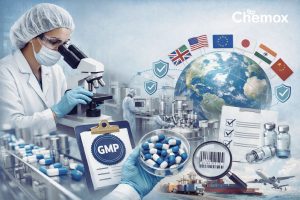
Chemox Pharma is a trusted name in the pharma industry known for its WHO-GMP-approved facility and production process. Our goal is simple: make pharma products more effective and affordable. Therefore, we adhere to strict regulatory standards to create high-quality APIs and intermediates.
Here’s how we manage the impurities of our pharma products.
- We use high-quality raw materials and in-house intermediates
- We follow the impurity profile guide
- We are compliant with the WHO-GMP standards to avoid any contamination
- We have set up an advanced quality control process to measure the impurity at each stage
We ensure that you get the best APIs and intermediates to develop high-quality pharma products. Contact us to customize the pharmacopeia standards of any product.
Conclusion
The impurities in pharmaceuticals affect the efficacy and stability of the final products. The three types of pharma impurities are organic, inorganic, and residual solvents from the synthesis process. These impurities are often caused by impure raw materials, the development of by-products, process contamination, and the degradation of material. The regulatory authorities issue guidelines for pharma companies to make the drug safer and effective for the patients. Chemox Pharma adheres to these regulatory standards and uses high-quality raw materials to create the best APIs and intermediates.
FAQ
Why Does Impurity Profiling Matter In The Pharmaceutical Industry?
The impurity of the pharma products affects patient safety and regulatory compliance. Therefore, the regulatory authorities provide a strict guide on the acceptable amount of impurities for drugs and medicines. Higher levels of impurities affects the efficacy and long-term stability of the final products.
What Are The Common Sources Of Impurities In Pharma?
The following are a few common sources of impurities in pharmaceutical products:
- Raw materials used in the production process
- By-products synthesised during the production process
- Buildup of residual solvents
- Contamination of the equipment
- Exposure to moisture, air, and water
- Problem in the storage of the pharma products
How To Control Impurities In Pharma Products?
The following are a few tips on how you can control the impurity profile of pharma products:
- Using high-quality and compliant raw materials
- Optimize the synthesis process to avoid contamination
- Comply with the GMP standards and impurity guideline
- Monitoring the quality at different production stages
How Many Types Of Impurities Are In Pharma?
There are three types of impurities in the pharma products:
- Organic (chemical compounds)
- Inorganic (metals and crystals)
- Residual Solvents
Each of these impurities affects the efficacy and stability of the final pharma products. Contact us to know how we can help you customize the pharmacopoeia standards for APIs and Intermediates.