Many people use the terms drug and medicine interchangeably. While both are the core of the pharma industry, they have different roles and can not be used as alternative terms for one another. In this blog, we will discuss the difference between drug and medicine in terms of its usage, purpose, and other factors. Understanding the drug vs medicine meaning helps you avoid misuse, side effects, and gain deeper insights into your treatment.
What Is A Drug?
Drugs are chemical or biological substances that affect how your body and mind work. It directly affects bodily functions to diagnose, prevent, or treat disease. Furthermore, it can also be used to change your mood temporarily. It is important to note that drugs can have both positive and negative impacts on your body. Therefore, not all drugs can be consumed as medicines.
We can differentiate the types of drugs based on their origin and effect.
Classification of drugs based on their origin:
- Natural drugs obtained from natural sources such as plants
- Semi-synthetic drugs are obtained by using chemical synthesis on natural drugs
- Synthetic drugs are developed entirely in the lab
Classification of drugs based on their effect:
- Depressants are used to slow down the nervous system and have a sedative effect.
- Stimulants stimulate the nervous system to boost alertness and confidence.
- Opioids are used for pain relief and are often misused due to their relaxation effect.
- Hallucinogens, also known as psychoactive drugs, disrupt vision, hearing, and emotions.
What Is Medicine?
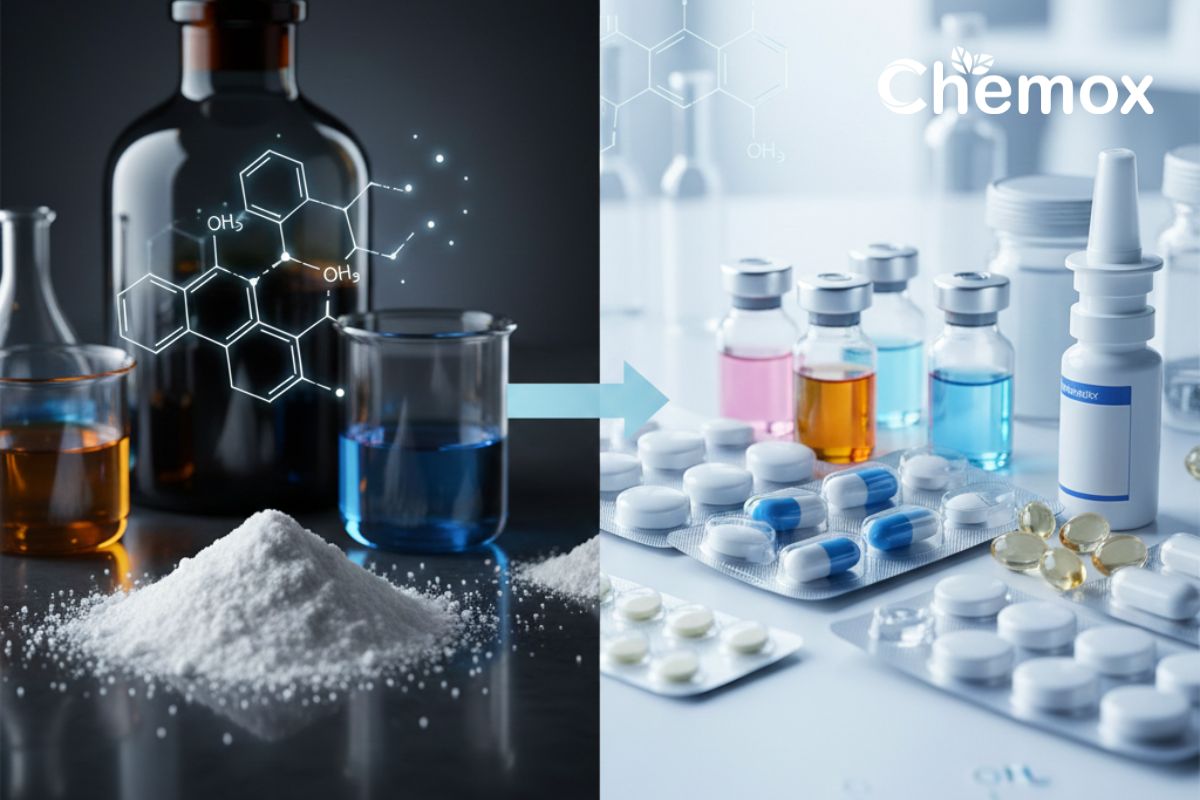
Medicine is a single drug (or combination of drugs) combined with excipients to create a therapeutic effect to prevent or treat a disease. The medicine is the final pharma product that patients can safely consume.
The WHO and national health agencies often declare an essential medicine list for the citizens. You can classify the types of medicines based on patents used: Generic (off-patent and affordable) and Branded (patented and slightly expensive).
What’s The Difference Between Drug And Medicine?
Let’s understand the difference between pharmaceutical terminology drug vs medicine.
Purpose
Purpose refers to why the pharma product is developed. The drug’s purpose is to affect the biological functions of the body, while the medicine is developed to treat or prevent a disease.
Usage
Drugs have multiple uses, such as medicine development, research, and direct treatment. The medicines are used solely for treating a patient and have a therapeutic effect. The drugs are often processed further before being used by anyone. However, the medicine is the final pharmaceutical product that the patients can use or buy directly from the pharmacy.
Regulatory Needs
Both drugs and medicines need to meet strict regulatory standards. However, the medicines need extra regulatory approval from authorities like regulatory authorities such as the FDA, CDSCO, EU, etc, to ensure their stability and safety.
Prescription
Drugs can have both positive and negative impacts. Therefore, they can only be obtained from authorized manufacturers or distributors. However, you can get medicines based on a prescription or over the counter.
Side Effects
When drugs are consumed long-term, they may have side effects on the functionality of the body and mind. One may get addicted to the drugs if not controlled. However, the medicines need to pass several clinical trials before being available in the market. Therefore, their side effects are usually limited and well-documented.
Social Impact
While most drugs don’t have a negative impact, some drug types, like Opioids, can cause addiction if their use isn’t controlled. On the other hand, the medicines have a positive impact on society as they prevent and cure fatal diseases.
Understanding drug vs medication with a simple table:
| Drugs | Medicine | |
| Purpose | Change the biological functions of the body and mind | Create a therapeutic effect for disease treatment |
| Usage | Disease treatment, research, and formulation | Patient treatment only |
| Regulatory Needs | Strict regulatory standards | Clinical trials and other regulatory standards before getting approved for marketing |
| Prescription | Supplied through authorized channels and prescription-based | Can be bought on prescription or over the counter from a pharmacy |
| Dosage | Available in pills, powder, and other injectable forms | Available in the form of tablets, capsules, syrup, topical creams, and inhalers |
| Side Effects | Might have a negative impact, like addiction or other unexpected effects | Minor side effects based on the patient’s health |
| Social Impact | Can have a positive as well as a negative impact due to illegal use | Positive impact on disease treatment |
Develop High-Quality Medicines With Compliant APIs!
If you want to develop high-quality medicines, you’ll need Active Pharmaceutical Ingredients (APIs) that meet regulatory standards. Chemox Pharma is a WHO-GMP-approved API and Intermediates manufacturer with clients in 20+ countries.
We can help you customize the pharmacopeia standards of the API based on the market you want to enter. We can also help you customize the packaging to make it safer and manageable on your end. Our robust supply chain ensures that your production system keeps running smoothly with timely delivery. Contact us now to discuss more.
Conclusion
Drug vs medication are two of the most commonly confused terms that are often used interchangeably in the pharma world. However, they have to play varying roles and understanding the difference between drug and medicine is important. Drugs affect the function of your body and mind and are often used in labs to develop new drugs. They can have a negative effect if the usage isn’t controlled. The medicines are developed solely to prevent, control, and treat a disease. Medicines have a positive impact on society, with only some side effects depending on the patients. Contact Chemox Pharma for customizable APIs and Intermediates.
FAQ
Drug Vs Medication: What’s The Difference?
The primary difference between a drug and a medicine is based on their effects and usage. Drugs change your body and mind function for a temporary period, thus they are used for treatment as well as research. Medicines have a therapeutic effect to prevent and cure a disease.
Can Every Drug Be Medicine?
No, not every drug can be medicine. All the drugs undergo a synthesis process to be classified as medicine. Furthermore, these medicines need to meet regulatory standards to enter the market and be commercially available.
What Are The Different Types Of Drugs?
The drugs can be differentiated based on their origin and effect. The drugs can be obtained naturally and then synthesized, or can be synthesized artificially. The following are types of drugs based on their effect or use:
- Depressants
- Stimulants
- Opioids
- Hallucinogens
Why Are Some Drugs Only Available On Prescription?
Many drugs have an addictive effect and thus can be misused. The prescription can reduce the illegal use of any drug and avoid health concerns and side effects of long-term use of drugs.