WHO-GMP Certified Facility

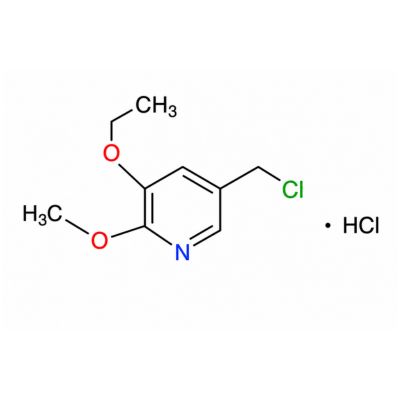
2-Chloromethyl-3,4-dimethoxypyridine hydrochloride

CPPL / Product / 2-Chloromethyl-3,4-dimethoxypyridine hydrochloride

2-Chloromethyl-3,4-dimethoxypyridine hydrochloride

pantoprazole intermediate

2-Chloromethyl-3,4-dimethoxypyridine hydrochloride is a pyridine-based pharmaceutical intermediate used in the synthesis of pantoprazole sodium. It serves as a chemical building block in pharmaceutical manufacturing and is relevant to manufacturers involved in proton pump inhibitor production

Chemox Pharma caters to pharmaceutical manufacturers and sourcing partners seeking quality-focused pharmaceutical intermediates, appropriate batch documentation, and dependable supply for downstream manufacturing applications.

Description:

2-Chloromethyl-3,4-dimethoxypyridine hydrochloride is a pyridine-based pharmaceutical intermediate used in the synthesis of pantoprazole sodium. It serves as a chemical building block in pharmaceutical manufacturing and is relevant to manufacturers involved in proton pump inhibitor production

Applications

  • Pantoprazole sodium manufacturing: Used as a chemical intermediate in the synthesis of pantoprazole sodium.

  • Pharmaceutical synthesis: Serves as a pyridine-based building block in chemical synthesis.

  • Process development: Relevant to synthetic-route development and process optimization.

  • Quality control: Supports identity, assay, and impurity assessment as required by the relevant manufacturing process.

Product Specifications

Supplier safety information identifies potential hazards including harmful effects if swallowed or in contact with skin, skin irritation, allergic skin reactions, serious eye damage, and long-term aquatic toxicity.

  • Wear suitable chemical-resistant gloves, protective clothing, and eye/face protection.

  • Avoid breathing dust and prevent direct contact with skin and eyes.

  • Handle with suitable ventilation and follow workplace chemical-handling procedures.

  • Prevent release into drains and the environment.

  • Follow the approved SDS for first aid, spill management, storage, and disposal.

Mechanism of Actions

This intermediate is not itself an established therapeutic drug and should not be assigned the mechanism of action of pantoprazole.
Pantoprazole sodium, the final API, suppresses gastric acid secretion by inhibiting the gastric H⁺/K⁺-ATPase proton pump in stomach parietal cells. This reduces the final stage of acid production. The intermediate’s role is chemical: it contributes to the synthesis of the final pharmaceutical compound.

FAQs

1. What is 2-Chloromethyl-3,4-dimethoxypyridine hydrochloride used for?

It is used as a pharmaceutical intermediate in the synthesis of pantoprazole sodium.

2. What is its CAS number?

Its CAS number is 72830-09-2.

3. What is its molecular weight?

Its molecular weight is approximately 224.08 g/mol.

4. Is it the same as pantoprazole sodium?

No. It is an intermediate used in the manufacturing process, whereas pantoprazole sodium is the final active pharmaceutical ingredient.

5. What quality documents should buyers request?

Buyers should request the batch-specific Certificate of Analysis (COA), Safety Data Sheet (SDS), product specification, and applicable quality or regulatory documentation.

6. What storage conditions are recommended?

Storage must follow the approved product-specific SDS and specification. A reference supplier recommends cool, dark storage below 15°C.

7. Is it suitable for bulk pharmaceutical manufacturing?

Suitability, available quantities, batch specifications, packaging, and lead times should be confirmed directly with the supplier.

Related Products

silodosin
API

Silodosin

CAS No.: 160970-54-7Category: Alpha-1 Adrenergic Receptor BlockerMolecular Formula: C₂₅H₃₂F₃N₃O₄Molecular Weight: 495.53 g/molSynonyms: KMD-3213, KAD-3213

Know More »
relugolix
API

Relugolix

CAS No.: 737789-87-6Category: Gonadotropin-Releasing Hormone (GnRH) Receptor AntagonistMolecular Formula: C₂₉H₂₇F₂N₇O₅SMolecular Weight: 623.63 g/molSynonyms: TAK-385, Relugolix

Know More »